R&D team continuously improves dehumidification technology

Obtained dozens of dehumidification patents

Quickly respond to customer needs

Care for employees, serve customers, and give back to society

Views: 4 Author: Site Editor Publish Time: 2026-04-14 Origin: Site

Fleas are one of the most frustrating household pests, especially during warmer months when humidity levels rise. If you’re dealing with an infestation, you might be wondering: Can a dehumidifier help get rid of fleas? The short answer is yes—but only partially. A dehumidifier can play an important role in flea control, but it shouldn't be your only solution.
Fleas depend heavily on moisture to survive and reproduce. Their life cycle—from eggs to larvae to adults—is strongly influenced by humidity levels.
Fleas develop best at 70–85% relative humidity (RH)
Eggs and larvae begin to struggle below 50% RH
Survival rates drop significantly around 30–40% RH
In humid indoor spaces, flea populations can grow rapidly, especially in carpets, pet bedding, and upholstered furniture.
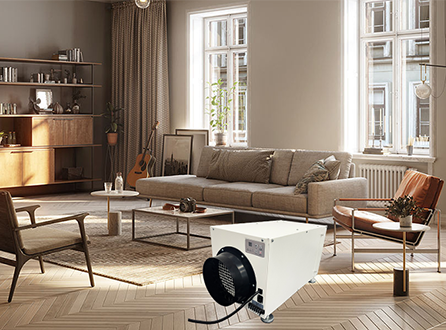
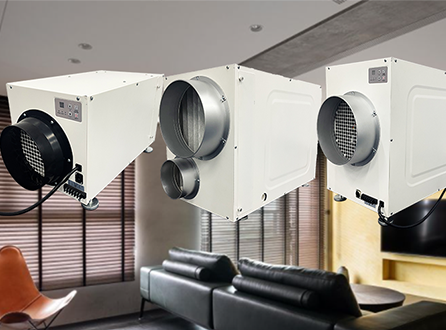
A crawl space dehumidifier works by removing excess moisture from the air, creating a drier indoor environment that is less hospitable to fleas.
When humidity levels are maintained below 50%, a household dehumidifier can:
Reduce flea egg hatching rates
Dry out larvae, increasing mortality
Slow down the flea life cycle
Prevent reinfestation over time
This makes dehumidifiers particularly useful in damp areas such as basements, laundry rooms, and pet sleeping zones.
While effective at disrupting flea development, a dehumidifier alone cannot fully eliminate an infestation.
It does NOT:
Kill all adult fleas already present
Remove fleas living on pets
Eliminate deeply embedded eggs in carpets or cracks
Adult fleas are more resilient and can survive even in lower humidity conditions for a period of time.
For complete and effective flea control, a multi-step approach is essential:
1. Treat Your Pets
Use veterinarian-recommended flea treatments such as topical solutions, oral medications, or flea collars.
2. Clean Thoroughly
Vacuum carpets, rugs, and furniture daily
Dispose of vacuum contents immediately
Wash pet bedding and fabrics in hot water
3. Use Environmental Treatments
Consider flea sprays or insect growth regulators (IGRs) to target eggs and larvae in your home.
4. Control Indoor Humidity
Run a dehumidifier for crawl space under house consistently to maintain 40–50% RH, making your home less suitable for flea survival.
Even after fleas are gone, maintaining proper humidity levels helps prevent future infestations. A dehumidifier also provides added benefits:
Improves indoor air quality
Reduces mold and mildew growth
Enhances overall comfort
Protects furniture and flooring from moisture damage
So, will a dehumidifier get rid of fleas? Not by itself—but it’s a powerful tool in your overall strategy. By combining humidity control with proper cleaning and pet treatment, you can eliminate fleas more effectively and keep them from coming back.