R&D team continuously improves dehumidification technology

Obtained dozens of dehumidification patents

Quickly respond to customer needs

Care for employees, serve customers, and give back to society

Views: 2 Author: Site Editor Publish Time: 2026-05-20 Origin: Site

Rainy weather often causes indoor humidity to rise because the outdoor air already contains large amounts of moisture. Excess humidity can make rooms feel sticky, encourage mold growth, create musty odors, and damage furniture, walls, and flooring. The key is to remove moisture while maintaining proper ventilation and airflow.
Most homes and commercial spaces should maintain:
40%–60% relative humidity (RH) for general comfort
40%–50% RH for mold prevention
A hygrometer can help monitor indoor humidity accurately.
Common causes include moist outdoor air entering the building, reduced evaporation due to cooler weather, poor ventilation, wet clothes drying indoors, cooking and shower steam, water leaks or damp walls, and basement or crawl space moisture. When humid air becomes trapped indoors, condensation and mildew problems develop quickly.
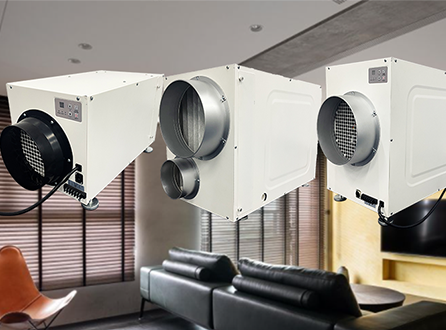
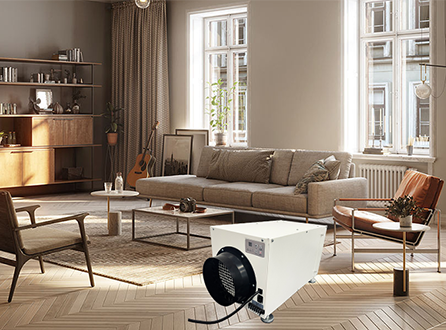
A crawl space dehumidifier is one of the most effective ways to control humidity during rainy periods. Benefits include removing excess moisture from the air, preventing mold and mildew, reducing musty odors, improving indoor comfort, and protecting furniture and walls. For larger spaces or severe moisture problems, commercial-grade dehumidifiers provide faster and more stable humidity control.
Although ventilation helps airflow, opening windows during heavy rain can introduce more moisture. Better options include using exhaust fans, running kitchen and bathroom vents, ventilating during drier parts of the day, and using mechanical fresh-air systems. Avoid leaving windows open continuously during humid weather.
Good airflow helps moisture evaporate more evenly. You can use ceiling fans, oscillating fans, and HVAC circulation mode. Air movement prevents damp corners and stagnant humid air.
Wet laundry releases significant moisture into the air. If indoor drying is unavoidable, use a dehumidifier nearby, increase ventilation, and dry clothes in a separate room.
Reduce unnecessary humidity by covering pots while cooking, taking shorter hot showers, repairing leaks promptly, and cleaning standing water immediately. Even small moisture sources accumulate during long rainy periods.
Check for roof leaks, window gaps, damp basement walls, and pipe condensation. Water infiltration continuously raises indoor humidity.
Watch for condensation on windows or walls, musty smells, mold spots, damp bedding or furniture, sticky indoor air, and peeling paint or wallpaper.
Basements
Bathrooms
Laundry rooms
Bedrooms
Kitchens
Storage areas
These spaces usually accumulate the most moisture during rainy weather.
Lowering indoor humidity during the rainy season requires a combination of dehumidification, airflow improvement, and moisture control. A quality dehumidifier, along with proper ventilation and circulation, can significantly reduce dampness, prevent mold growth, and create a healthier indoor environment.