R&D team continuously improves dehumidification technology

Obtained dozens of dehumidification patents

Quickly respond to customer needs

Care for employees, serve customers, and give back to society

Views: 0 Author: Site Editor Publish Time: 2026-07-08 Origin: Site
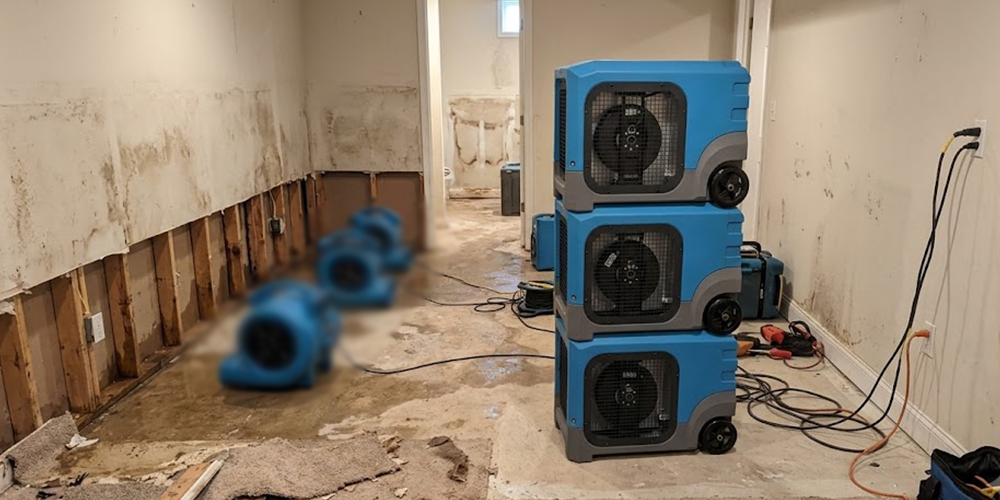
A water leak can quickly turn into a costly problem if moisture is not removed promptly. Whether the leak comes from a burst pipe, a leaking roof, a faulty appliance, or heavy rainfall, drying your home thoroughly is essential to prevent mold growth, structural damage, and unpleasant odors.
So, how long does it take to dry out a house after a leak? The answer depends on several factors, but in most cases, a home takes 3 to 7 days to dry with professional equipment. Severe water damage may require 2 to 4 weeks or longer, especially if moisture has penetrated walls, flooring, insulation, or structural materials.
This guide explains the factors that affect drying time and the best ways to speed up the restoration process.
Type of Water Damage | Estimated Drying Time |
Small plumbing leak | 1–3 days |
Minor ceiling leak | 2–5 days |
Wet carpet | 2–4 days |
Hardwood flooring | 5–10 days |
Drywall | 3–7 days |
Concrete floors | 7–30 days |
Crawl space | 1–3 weeks |
Whole-house flooding | 2–4 weeks or longer |
These estimates assume proper drying equipment is used. Without adequate airflow and dehumidification, drying can take significantly longer.
A slow leak under a sink is much easier to dry than a burst water pipe that floods multiple rooms. The greater the volume of water, the longer the drying process.
Different materials absorb moisture at different rates.
Drywall absorbs water quickly.
Wood flooring can trap moisture beneath the surface.
Insulation often retains water and may require replacement.
Concrete releases moisture slowly over several weeks.
Dense or porous materials generally require more time to dry completely.
Warm air can hold more moisture than cool air, allowing water to evaporate faster. High outdoor humidity slows evaporation, making dehumidification especially important.
Good airflow carries moisture away from wet surfaces. Poor ventilation creates damp pockets where drying takes much longer.
The sooner drying begins, the better. Water left standing for more than 24 to 48 hours greatly increases the risk of mold growth and additional damage.
Even if surfaces feel dry, hidden moisture may remain inside walls or under flooring.
Watch for these signs:
Musty odors
Peeling paint
Bubbling drywall
Soft flooring
Discolored ceilings
Condensation on windows
Warped wood
Persistent high indoor humidity
Professional moisture meters and thermal imaging cameras can detect hidden moisture that isn't visible to the naked eye.
Use pumps, wet vacuums, or mops to remove as much water as possible before beginning the drying process.
High-velocity air movers accelerate evaporation by continuously moving air across wet surfaces.
Place fans to create consistent airflow throughout affected rooms.
A dehumidifier removes moisture from the air, allowing wet building materials to dry more efficiently.
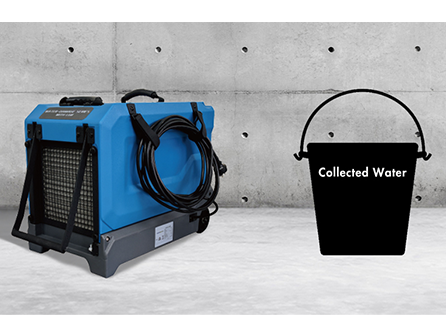
For extensive water damage, restoration professionals often use Low Grain Refrigerant (LGR) dehumidifiers, which can continue extracting moisture even when humidity levels become relatively low. These units are more effective than standard residential models for structural drying. Hongtai provides high-performance LGR dehumidifiers and air movers that meet any restoration needs. Looking forward to your consultation.
Moderately increasing indoor temperature can speed evaporation, provided it stays within safe limits for the building materials and restoration equipment.
Some materials cannot be effectively dried and may require replacement, including:
Saturated insulation
Severely damaged drywall
Waterlogged ceiling tiles
Swollen particleboard
Mold-contaminated materials
Removing these materials helps prevent trapped moisture and future mold problems.
Simply running household fans is rarely enough after significant water damage.
Professional dehumidifiers help by:
Lowering indoor humidity
Preventing condensation
Accelerating structural drying
Reducing the risk of mold growth
Protecting wood flooring and furniture
Shortening the overall restoration time
For contractors and restoration companies, industrial dehumidifiers paired with air movers are standard equipment for drying homes after leaks and floods.
Contact a water damage restoration company if:
Water has affected multiple rooms.
The leak was unnoticed for several days.
Hardwood floors are buckling.
Water entered walls or ceilings.
Mold is visible or suspected.
Indoor humidity remains high despite drying efforts.
Professionals use moisture meters and commercial-grade drying equipment to ensure the structure is dry before repairs begin.
Once your home is dry, take steps to reduce the risk of another incident:
Inspect plumbing regularly.
Repair roof leaks promptly.
Clean gutters and downspouts.
Replace worn appliance hoses.
Install water leak detectors.
Maintain indoor humidity between 30% and 50%.
Consider a whole house dehumidifier in damp areas such as basements or crawl spaces.
Drying out a house after a leak typically takes 3 to 7 days with professional equipment, although larger or more severe water damage can require several weeks. The exact timeline depends on the amount of water, affected materials, humidity levels, and how quickly drying begins.
Using high-capacity air movers together with commercial or industrial dehumidifiers is the fastest and most effective way to remove moisture, protect your home's structure, and reduce the risk of mold. Acting quickly after a leak not only shortens drying time but also minimizes repair costs and helps restore a safe, healthy indoor environment.