R&D team continuously improves dehumidification technology

Obtained dozens of dehumidification patents

Quickly respond to customer needs

Care for employees, serve customers, and give back to society

Views: 4 Author: Site Editor Publish Time: 2026-03-18 Origin: Site

Chronic Obstructive Pulmonary Disease (COPD) is a progressive lung condition that makes it difficult to breathe due to persistent airflow limitation. The disease primarily includes two related conditions: emphysema (damage to air sacs in the lungs) and chronic bronchitis (long-term inflammation of the airways).
The most common cause of Chronic Obstructive Pulmonary Disease is long-term exposure to irritants, especially cigarette smoke, though air pollution, occupational dust, and chemical fumes can also contribute. Symptoms typically develop slowly and include chronic cough, mucus production, shortness of breath, and wheezing.
COPD is not fully reversible, but it is manageable. Treatment focuses on relieving symptoms and slowing disease progression. Common approaches include bronchodilator medications, inhaled steroids, oxygen therapy, and lifestyle changes such as quitting smoking and improving indoor air quality.
Early diagnosis and proper management are critical to improving the quality of life and reducing complications.
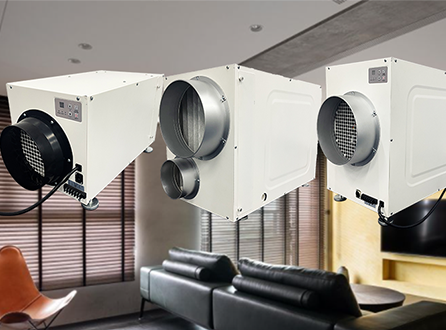
A whole-house dehumidifier can play a supportive role in managing symptoms of Chronic Obstructive Pulmonary Disease by improving indoor air quality and reducing respiratory triggers.
High humidity makes air feel "heavier" and harder to breathe, which can worsen shortness of breath in COPD patients. A whole house dehumidificaiton system maintains indoor humidity in the optimal range (typically 40–50% RH), making breathing more comfortable and reducing strain on the lungs.
Excess moisture promotes mold, a major respiratory irritant. Mold spores can trigger coughing, wheezing, and flare-ups in people with COPD. By controlling humidity, a dehumidifier inhibits mold growth and keeps spore levels lower.
Dust mites thrive in humid environments. Their waste particles are common indoor allergens that can aggravate COPD symptoms. Lower humidity levels significantly limit dust mite populations, leading to cleaner air.
A crawl space dehumidifier work with HVAC airflow, providing consistent moisture control across all rooms. This reduces:
Musty odors
Airborne irritants
Condensation that can harbor bacteria
Cleaner air helps reduce the frequency and severity of respiratory discomfort.
COPD symptoms often worsen at night. Balanced humidity helps prevent airway dryness or excess moisture, contributing to more stable breathing during sleep.
A whole-house dehumidifier does not treat COPD directly, but it removes environmental triggers that can worsen symptoms. For people with COPD, especially in humid climates or poorly ventilated homes, it can be a valuable part of an overall air quality management strategy.