R&D team continuously improves dehumidification technology

Obtained dozens of dehumidification patents

Quickly respond to customer needs

Care for employees, serve customers, and give back to society

Views: 11 Author: Site Editor Publish Time: 2026-03-09 Origin: Site
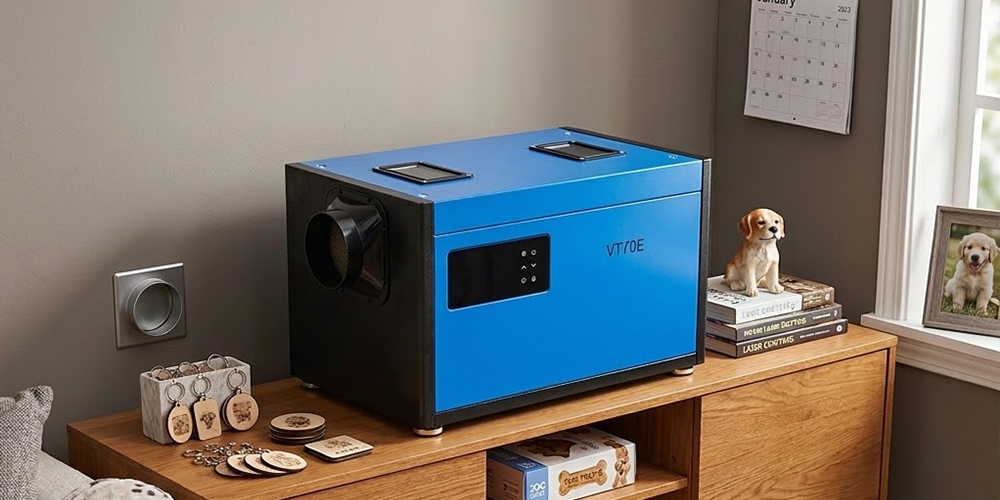
Maintaining proper indoor humidity is important not only for people but also for pets. Dogs are sensitive to environmental conditions, and excessively dry or humid air can negatively affect their skin, respiratory health, and overall comfort. Creating a balanced indoor climate helps keep dogs healthy and reduces potential health issues.
The ideal humidity for dogs is generally between 40% and 60% relative humidity (RH). This range is considered optimal because it supports both respiratory comfort and skin health.
40–50% RH: Ideal for most homes and pets
50–60% RH: Still comfortable but approaching the upper limit
Above 60% RH: Risk of mold, bacteria, and allergens increases
Below 30–35% RH: Air becomes too dry and may irritate skin and airways
This humidity range also aligns with the recommended indoor humidity for humans, making it suitable for the entire household.
When indoor air becomes too dry—especially during winter or in air-conditioned environments—dogs may experience several issues:
1. Dry, Itchy Skin
Low humidity removes moisture from the skin, causing flaking, dandruff, and persistent itching.
2. Respiratory Irritation
Dry air can irritate a dog's nasal passages and throat, sometimes leading to coughing or discomfort.
3. Cracked Paw Pads
Extremely dry environments may cause paw pads to crack or become rough.
4. Increased Shedding
Dehydrated skin often leads to excessive shedding and dull fur.
Excess humidity can be just as problematic as overly dry air.
1. Difficulty Regulating Body Temperature
Dogs primarily cool themselves through panting. In very humid conditions, evaporation slows down, making it harder for them to release heat.
2. Mold and Allergen Growth
High humidity encourages mold, dust mites, and bacteria, which can trigger allergies or respiratory issues in sensitive dogs.
3. Skin Infections
Warm and humid environments can promote yeast and bacterial infections, particularly in breeds with thick coats or skin folds.
Watch for these symptoms that may indicate poor humidity levels:
Frequent scratching or biting at the skin
Dry, flaky dandruff in the fur
Persistent coughing or sneezing
Excessive panting indoors
Musty odors or visible mold in the home
If these signs appear, checking indoor humidity levels can help identify the problem.
Maintaining balanced humidity is relatively simple with the right equipment and habits.
A hygrometer measures indoor humidity and helps you monitor changes throughout the day.
Humidifiers add moisture to the air during winter or in very dry environments.
If humidity frequently exceeds 60%, a whole house dehumidifier can remove excess moisture and prevent mold growth. Hzhongtai provides the high efficiency dehumidifier for pet owners. Contact us if you want to keep a comfortable indoor environment for yourself and your pets.
Proper airflow reduces stagnant moisture and helps maintain stable humidity.
The best humidity level for dogs is between 40% and 60% relative humidity, which supports healthy skin, comfortable breathing, and a stable indoor environment. Both extremely dry and overly humid conditions can cause discomfort and health problems for pets.
By monitoring indoor humidity and using tools such as humidifiers or dehumidifiers when necessary, pet owners can create a healthier and more comfortable living space for their dogs.