


R&D team continuously improves dehumidification technology

Obtained dozens of dehumidification patents

Quickly respond to customer needs

Care for employees, serve customers, and give back to society

Views: 7 Author: Site Editor Publish Time: 2026-05-26 Origin: Site
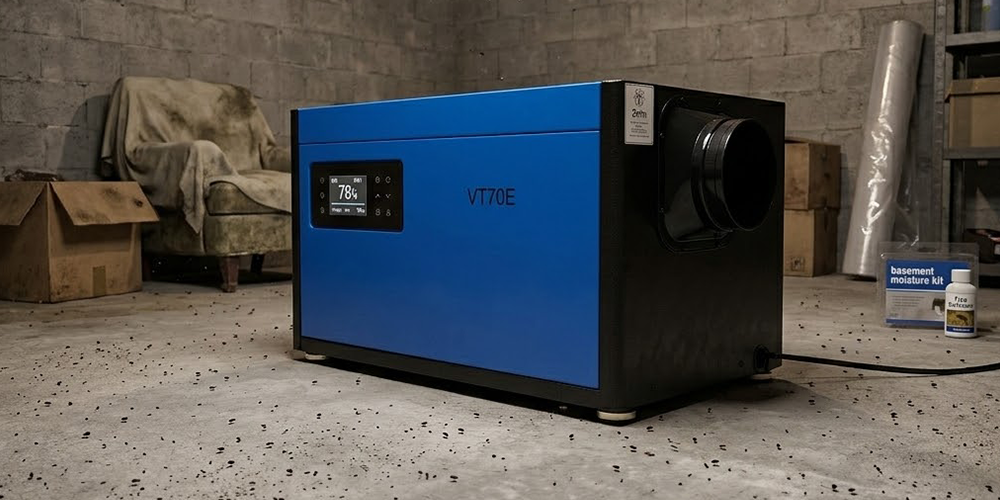
Fleas are one of the most frustrating pests for homeowners, pet owners, and property managers. These tiny insects multiply quickly, bite humans and animals, and thrive in warm, humid environments. While sprays and chemical treatments are common flea-control methods, many people overlook one highly effective environmental solution: using a dehumidifier.
A dehumidifier cannot instantly eliminate fleas on its own, but it can make indoor conditions far less favorable for flea survival and reproduction. Combined with cleaning and pest-control measures, dehumidification can become an important part of long-term flea prevention.
Fleas depend heavily on moisture to survive during different stages of their life cycle. Adult fleas can live on pets, but flea eggs, larvae, and pupae are usually found in carpets, furniture, bedding, cracks in floors, and other hidden areas.
High humidity helps fleas:
Prevent dehydration
Improve egg survival rates
Accelerate larval development
Increase reproduction
In general, fleas thrive when indoor relative humidity stays above 50%, and temperatures remain warm. Basements, laundry rooms, crawl spaces, pet sleeping areas, and poorly ventilated rooms are especially vulnerable. Lowering indoor humidity can interrupt flea development and reduce infestation severity over time.
A dehumidifier removes excess moisture from the air, creating a drier environment that fleas struggle to tolerate.
Flea eggs require moisture to hatch successfully. When humidity levels drop below about 50% RH, many eggs dry out before they can develop.
Flea larvae are highly sensitive to dehydration. Dry air weakens them and makes survival much more difficult in carpets and upholstery.
Excess humidity often contributes to mold, odors, and dust mites alongside flea infestations. A dehumidifier helps create a cleaner and healthier indoor environment overall.
Dehumidifiers work best when combined with:
Vacuuming
Washing pet bedding
Flea medication for pets
Steam cleaning
Professional pest control
Lower humidity enhances the effectiveness of these methods by reducing flea recovery and reproduction.
For flea prevention, most experts recommend keeping indoor relative humidity between 40% and 50%.
When humidity consistently stays in this range:
Flea eggs become less viable
Larvae dry out faster
Mold and dust mites are also reduced
Indoor comfort improves
A hygrometer or smart dehumidifier can help monitor humidity levels accurately.
Certain areas of a home are more likely to support flea populations due to higher moisture levels.
Basements
Basements are often humid and poorly ventilated, making them ideal breeding grounds for fleas.
Pet Areas
Rooms where pets sleep or spend most of their time tend to accumulate flea eggs and larvae.
Carpeting and Upholstered Rooms
Soft surfaces trap moisture and organic debris that flea larvae feed on.
Crawl Spaces
Crawl spaces frequently maintain damp conditions that encourage both fleas and mold growth.
When selecting a dehumidifier for flea control, consider these factors:
Coverage Area
Choose a unit sized appropriately for the room or entire home.
Small rooms: 20–35 pint units
Basements or large areas: 50–70 pint units
Whole-house applications: commercial or HVAC-integrated systems
Continuous Drainage
For long-term humidity control, continuous drainage prevents frequent water tank emptying.
Humidity Control Settings
Look for adjustable humidity settings so you can maintain 40–50% RH consistently.
Energy Efficiency
Energy-efficient models reduce operating costs during continuous use.
Hongtai has mature production lines for whole house dehumidifiers, with professionalism evident in aspects such as product design, frontline workers, raw material supply, packaging, and testing. We collaborate with internationally renowned brands to produce whole house dehumidifiers throughout the year, ensuring good quality.
No. A crawl space dehumidifier alone usually cannot eliminate an active flea infestation because adult fleas often survive on pets. However, it significantly reduces flea reproduction and helps prevent recurring infestations.
For best results, combine dehumidification with:
Veterinary-approved flea treatments
Frequent vacuuming
Carpet cleaning
Washing fabrics in hot water
Outdoor pest management, if necessary
Here are several practical ways to strengthen flea prevention:
Vacuum carpets and furniture daily during infestations
Empty vacuum bags immediately
Wash pet bedding weekly
Groom pets regularly
Seal cracks and gaps in flooring
Improve room ventilation
Keep indoor humidity under control year-round
A dehumidifier can play an important role in flea prevention by lowering indoor humidity and creating conditions that fleas find difficult to survive in. Although it is not a standalone extermination method, it helps reduce flea eggs, larvae, and long-term reinfestation risks.
For homeowners dealing with recurring flea issues, especially in humid climates or damp indoor spaces, combining a reliable dehumidifier with proper cleaning and pet treatment strategies can provide much more effective and lasting control.


