R&D team continuously improves dehumidification technology

Obtained dozens of dehumidification patents

Quickly respond to customer needs

Care for employees, serve customers, and give back to society

Views: 2 Author: Site Editor Publish Time: 2026-05-20 Origin: Site

A dehumidifier can help reduce or eliminate condensation on walls by lowering the moisture level in the air. Condensation forms when warm, humid air touches a cold surface, such as exterior walls, windows, or poorly insulated areas. When indoor humidity is too high, water droplets accumulate and may eventually lead to mold, mildew, peeling paint, or structural damage.
Condensation occurs when humid air cools to its dew point. Common causes include poor ventilation, high indoor humidity, cold wall surfaces, inadequate insulation, drying clothes indoors, cooking and shower steam, and water intrusion or leaks. In basements, crawl spaces, warehouses, grow rooms, and older homes, condensation problems are especially common during humid seasons.

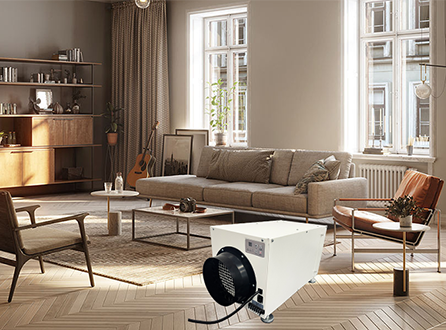
A restoration dehumidifier removes excess moisture from the air before it can condense on cold surfaces. Benefits include lower indoor relative humidity, reduced wall condensation, prevention of mold and mildew growth, protection for drywall, wood, and insulation, and improved indoor comfort. For most indoor environments, maintaining humidity between 40% and 50% RH helps minimize condensation.
The right unit depends on the severity of the moisture issue and the room size.
Residential dehumidifiers are suitable for bedrooms, living rooms, small basements, and apartments. These units help control seasonal humidity and minor condensation.
Commercial dehumidifiers are better for large basements, warehouses, water-damaged buildings, indoor pools, and grow facilities. Commercial units remove moisture faster and can operate continuously in severe humidity conditions.
A dehumidifier helps manage humidity, but some condensation issues also require structural improvements. Additional solutions may include improving wall insulation, sealing air leaks, repairing water leaks, increasing ventilation, using exhaust fans, and warming cold wall surfaces. If condensation persists despite lower humidity, thermal bridging or hidden moisture intrusion may be involved.
You may benefit from a dehumidifier if you notice water droplets on walls or windows, damp or musty smells, mold spots, peeling wallpaper or paint, persistent moisture in corners, or high indoor humidity readings. A hygrometer can help monitor indoor humidity levels accurately. Hongtai is a reliable dehumidifier manufacturer that provides high quality dehumidifiers for commercial and industrial use. Welcome to contact us.
To improve results:
Keep indoor humidity below 50%
Run the dehumidifier continuously during humid periods
Maintain steady indoor temperatures
Increase air circulation with fans
Avoid drying clothes indoors
Open vents in moisture-prone rooms
A dehumidifier is one of the most effective tools for reducing condensation on walls because it lowers airborne moisture before condensation can form. In many cases, combining dehumidification with better ventilation and insulation provides the best long-term solution for preventing dampness, mold, and wall damage.