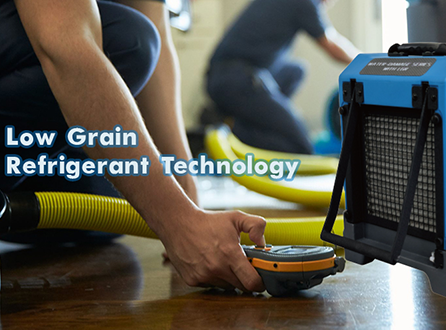
R&D team continuously improves dehumidification technology

Obtained dozens of dehumidification patents

Quickly respond to customer needs

Care for employees, serve customers, and give back to society

Views: 14 Author: Site Editor Publish Time: 2026-05-12 Origin: Site

After water damage, fans usually need to run continuously for 24 hours to several days, depending on the severity of the water intrusion, the affected materials, humidity levels, and the drying equipment being used.
Fans, especially commercial air movers, help accelerate evaporation by moving air across wet surfaces. They help dry carpet, hardwood flooring, drywall, concrete, furniture, subfloors, and wall cavities. Without airflow, moisture evaporates much more slowly and can remain trapped inside materials.
1. Minor Water Damage
Examples: small leaks, minor spills, limited wet carpet
Typical fan runtime: 24–48 hours
2. Moderate Water Damage
Examples: appliance leaks, several rooms affected, wet drywall, and flooring
Typical fan runtime: 2–4 days
3. Severe Flooding
Examples: storm flooding, pipe bursts, standing water, saturated building materials
Typical fan runtime: 4–7 days or longer
Professional drying equipment is often required in these situations.
Fans increase evaporation, but the moisture removed from surfaces remains in the air. Without dehumidification, humidity levels can become excessively high and slow the drying process. That is why restoration professionals typically use air mover fans, commercial dehumidifiers, moisture meters, and HEPA air scrubbers. The combination of airflow and dehumidification creates the fastest and safest drying conditions.
1. Amount of Water
The more water absorbed into materials, the longer drying will take. Clean water from a small leak dries much faster than deep floodwater saturation.
2. Type of Material
Different materials retain moisture differently. Faster Drying Materials: tile, concrete surfaces, metal. Slower Drying Materials: carpet padding, hardwood floors, insulation, drywall, wood framing. Porous materials require more drying time.
3. Humidity Levels
High humidity slows evaporation. Commercial dehumidifiers help maintain lower humidity levels so fans can work more efficiently.
4. Temperature
Warm air holds more moisture and speeds evaporation. Cold environments usually require longer drying periods.
5. Airflow Positioning
Proper fan placement is extremely important. Air movers should direct airflow across wet flooring, wall surfaces, under carpet edges, and damp structural areas. Poor airflow distribution reduces drying efficiency.
Fans should continue operating until moisture readings return to normal levels.
Visible dryness alone is not enough because hidden moisture may remain inside walls or flooring.
Professional restoration companies use moisture meters to verify drying progress.
Signs of successful drying include no damp smell, normal humidity levels, dry carpet padding, stable moisture readings, and no visible condensation.
Turning off drying equipment prematurely can cause mold growth, persistent mildew odors, warped flooring, hidden moisture pockets, and structural deterioration. Mold can begin developing within 24–48 hours in damp conditions.
Commercial restoration fans are far more effective than household fans. Commercial air movers provide a higher airflow velocity, focused drying, continuous-duty operation, faster evaporation, and better coverage. They are specifically designed for water damage restoration environments.
Professional restoration contractors often use:
Axial air movers
Centrifugal air movers
HEPA filtration systems
Manufacturers like Hongtai produce commercial LGR dehumidifiers, air mover fans, and restoration drying equipment designed for flood recovery and moisture removal applications.
Remove Standing Water First: Use extraction equipment before placing fans.
Run Equipment Continuously: Fans and dehumidifiers should operate 24/7 during the drying process.
Increase Ventilation Carefully: Outdoor ventilation may help if outside humidity is low.
Remove Unsalvageable Materials: Severely saturated carpet padding or insulation may need replacement.
Monitor Moisture Levels: Use moisture meters whenever possible.
Fans typically need to run for 24 hours to several days after water damage, depending on the severity of the flooding and the materials affected. Commercial air movers work best when combined with dehumidifiers to accelerate evaporation and control humidity.
Stopping the drying process too early can lead to mold growth, odors, and long-term structural damage. For serious flooding or restoration projects, commercial drying equipment and professional moisture monitoring are often necessary to ensure complete drying and safe recovery.