


R&D team continuously improves dehumidification technology

Obtained dozens of dehumidification patents

Quickly respond to customer needs

Care for employees, serve customers, and give back to society

Views: 1 Author: Site Editor Publish Time: 2026-05-26 Origin: Site
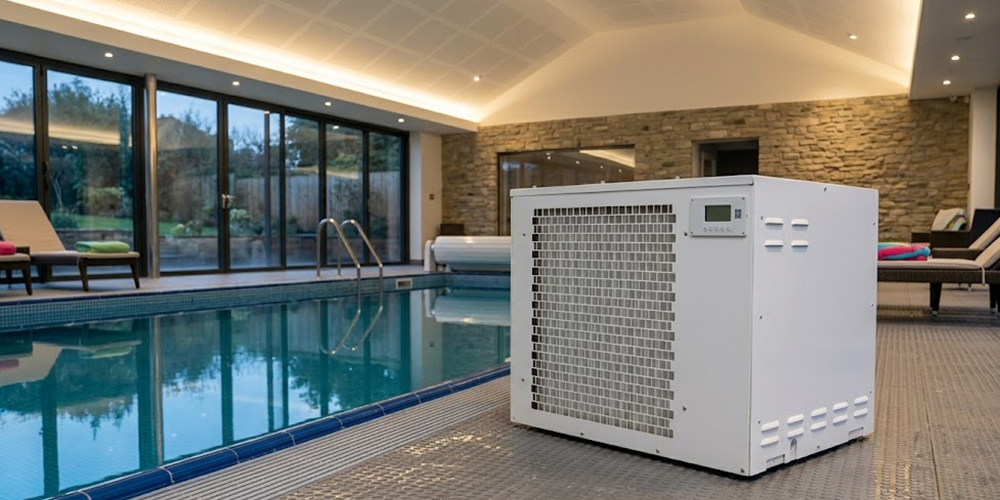
Indoor swimming pools provide year-round comfort, recreation, and luxury. However, they also create one major challenge: excessive humidity. Without proper moisture control, indoor pool areas can quickly develop condensation, mold, structural damage, and uncomfortable air conditions.
Whether for hotels, fitness centers, schools, therapy pools, or residential natatoriums, a high-quality pool dehumidification system is critical for maintaining air quality, protecting the building structure, and improving user comfort.
Indoor pools continuously release moisture into the air through evaporation. Warm water combined with warm air accelerates this process, especially in enclosed spaces with limited ventilation.
If humidity is not controlled properly, several problems can occur:
Condensation on windows and walls
Mold and mildew growth
Corrosion of metal components
Damage to ceilings, wood, and insulation
Slippery floors and safety hazards
Uncomfortable sticky air
Poor indoor air quality
Over time, excessive humidity can lead to expensive repairs and reduced building lifespan.
A pool dehumidifier removes moisture from humid air and helps maintain balanced indoor conditions.
The system generally works by:
Pulling humid air from the pool room
Passing the air over cold evaporator coils
Condensing moisture into water
Draining collected water away
Reheating and circulating dry air back into the space
Many advanced systems also recover heat generated during dehumidification to warm the pool water or surrounding air, improving overall energy efficiency.
Most indoor swimming pool environments should maintain relative humidity between 50% and 60%.
This range helps:
Prevent condensation
Improve swimmer comfort
Reduce corrosion risks
Minimize mold growth
Protect building materials
Humidity levels above 65% often create noticeable moisture problems, especially around windows and ceilings.
Excess moisture can penetrate walls, ceilings, insulation, and support structures. An industrial dehumidifier helps protect the building from long-term water damage and deterioration.
Warm, damp environments encourage mold growth. Proper humidity control improves sanitation and indoor air quality.
High humidity makes pool rooms feel hot and sticky. Balanced humidity creates a more comfortable environment for swimmers and staff.
Condensation on windows, pipes, and surfaces can lead to corrosion, stains, and slippery floors. Pool dehumidifiers significantly reduce these issues.
Modern pool dehumidification systems often include heat recovery technology, reducing heating costs for both air and water.
Different pool facilities require different dehumidification solutions.
Portable Pool Dehumidifiers
Suitable for: small residential pools, temporary humidity control, compact indoor pool rooms.
These units are easy to install but may have limited capacity.
Wall-Mounted Dehumidifiers
Ideal for: residential natatoriums, small hotel pools, therapy pools.
Wall-mounted systems save floor space and provide continuous operation.
Ceiling Mounted Dehumidifiers
Best for: commercial pool facilities, fitness centers, and large indoor aquatic centers.
These systems offer powerful moisture removal while remaining hidden above the ceiling.
Ducted Whole Room Systems
Designed for large-scale applications requiring integrated climate control, ventilation, and air distribution.
Proper sizing is critical for efficient operation. An undersized unit cannot control humidity effectively, while an oversized system wastes energy.
Several factors affect sizing:
Pool surface area
Water temperature
Air temperature
Ventilation rate
Number of occupants
Use of pool covers
Outdoor climate conditions
Commercial pool facilities usually require professional HVAC calculations to determine the correct dehumidification capacity.
When selecting a pool dehumidification system, consider the following features:
Corrosion-Resistant Components
Pool environments contain chlorine and chemical vapors that can damage ordinary HVAC equipment.
Automatic Humidity Control
Smart humidity sensors help maintain stable conditions automatically.
Heat Recovery Technology
Energy recovery systems reduce operating costs.
Quiet Operation
Low-noise performance is important for hotels, spas, and residential pools.
Continuous Drainage
Automatic drainage supports uninterrupted operation.
Regular maintenance ensures long-term efficiency and reliability.
Recommended maintenance includes:
Cleaning air filters
Inspecting coils
Checking drainage systems
Monitoring refrigerant levels
Inspecting corrosion protection
Scheduling professional servicing
Routine maintenance also helps extend equipment lifespan.
An indoor swimming pool dehumidifier is essential for controlling humidity, protecting building structures, and maintaining comfortable air quality in pool environments. From residential pools to large commercial aquatic facilities, proper dehumidification prevents condensation, mold, corrosion, and costly structural damage.
By choosing the right dehumidification system and maintaining proper humidity levels, pool owners can create a safer, healthier, and more energy-efficient indoor swimming environment year-round.


