R&D team continuously improves dehumidification technology

Obtained dozens of dehumidification patents

Quickly respond to customer needs

Care for employees, serve customers, and give back to society

Views: 10 Author: Site Editor Publish Time: 2026-06-09 Origin: Site
Beach houses are constantly exposed to high humidity, salty air, rain, and moisture from nearby water. Without proper moisture control, these conditions can lead to mold growth, wood rot, musty odors, and damage to furniture and electronics. Here are some effective ways to keep a beach house dry.

A dehumidifier is one of the most effective tools for controlling indoor moisture. In coastal areas, indoor humidity can easily exceed 60–70% RH, especially during summer.
Maintain indoor humidity between 45% and 55% RH.
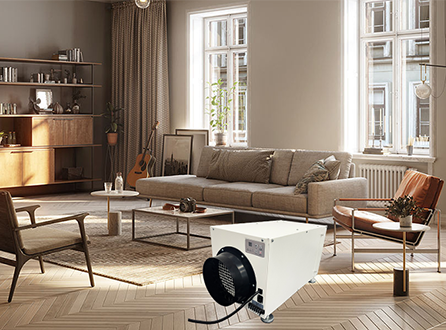
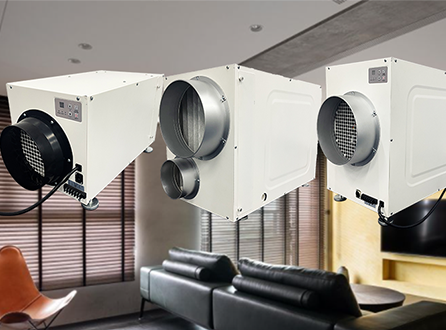
Install a whole house dehumidifier for year-round humidity control.
Use commercial or high-capacity dehumidifiers in large homes or frequently damp areas.
Connect the unit to a continuous drain to avoid frequent water tank emptying.
Proper airflow helps prevent moisture accumulation.
Use exhaust fans in bathrooms, kitchens, and laundry rooms.
Open windows when outdoor humidity is lower than indoor humidity.
Install ceiling fans to circulate air throughout the house.
Ensure crawl spaces and attics are adequately ventilated.
Humid outdoor air can enter through gaps and cracks.
Seal gaps around doors and windows.
Weatherstrip exterior doors.
Caulk cracks in walls and foundations.
Inspect utility penetrations where pipes and cables enter the building.
Many beach houses have crawl spaces that can become major moisture sources.
Install a vapor barrier on the ground.
Seal crawl space vents if recommended for your climate.
Use a crawl space dehumidifier.
Check regularly for standing water or plumbing leaks.
Air conditioning helps remove moisture while cooling.
Change filters regularly.
Clean evaporator coils and condensate drains.
Ensure the system is properly sized.
Consider adding a dedicated whole house dehumidification system.
Keeping water out is just as important as removing humidity.
Clean gutters and downspouts regularly.
Direct rainwater away from the foundation.
Inspect the roof for leaks.
Repair damaged siding and flashing promptly.
For renovations or new construction, choose materials designed for coastal environments.
Mold-resistant drywall
Marine-grade paint and coatings
Pressure-treated lumber
Moisture-resistant flooring materials
A digital hygrometer allows you to track humidity levels continuously.
Keep humidity below 60% RH.
Address moisture issues immediately if readings remain elevated.
Consider smart humidity monitoring systems for vacation homes that are often unoccupied.
If the property is vacant for extended periods:
Run a whole-house dehumidifier continuously.
Use remote monitoring systems to track humidity and temperature.
Schedule periodic inspections.
Keep interior doors open to promote air circulation.
By combining dehumidification, ventilation, proper sealing, and regular maintenance, you can protect a beach house from excess moisture, mold, and structural damage while maintaining a comfortable indoor environment year-round.